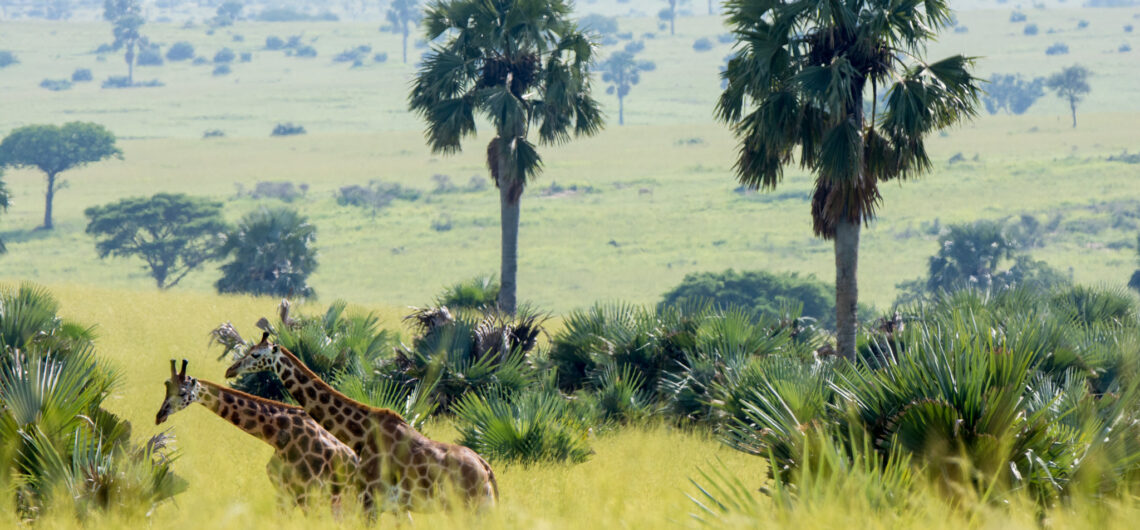
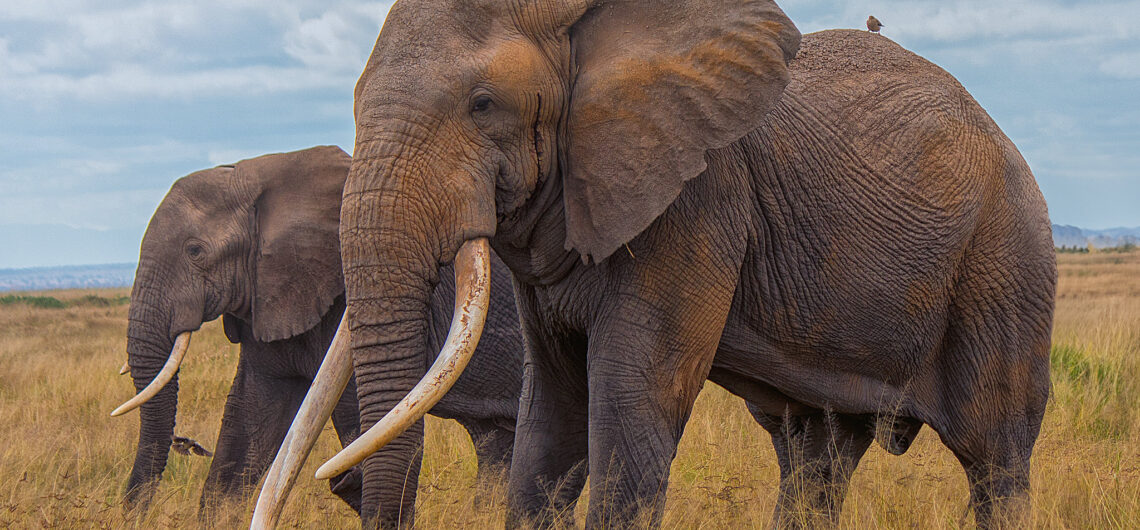
When travelers dream of an African safari, one destination consistently comes to mind: Amboseli National Park. Nestled in southern Kenya near the Tanzanian border, Amboseli is one of Africa’s most celebrated wildlife sanctuaries. Known for its breathtaking views of Mount Kilimanjaro, abundant elephants, and diverse ecosystems, the park offers visitors an unforgettable safari experience. Whether you are a first-time traveler to Kenya or a seasoned explorer, Amboseli promises adventure, serenity, and unmatched wildlife encounters.
Why Visit Amboseli National Park?
Amboseli National Park is a UNESCO Biosphere Reserve covering 392 square kilometers. Despite its relatively small size compared to other national parks in Kenya, Amboseli is incredibly rich in biodiversity and cultural experiences. Its unique mix of wildlife, landscapes, and Maasai culture make it a must-visit safari destination.
Destination Highlights:
-
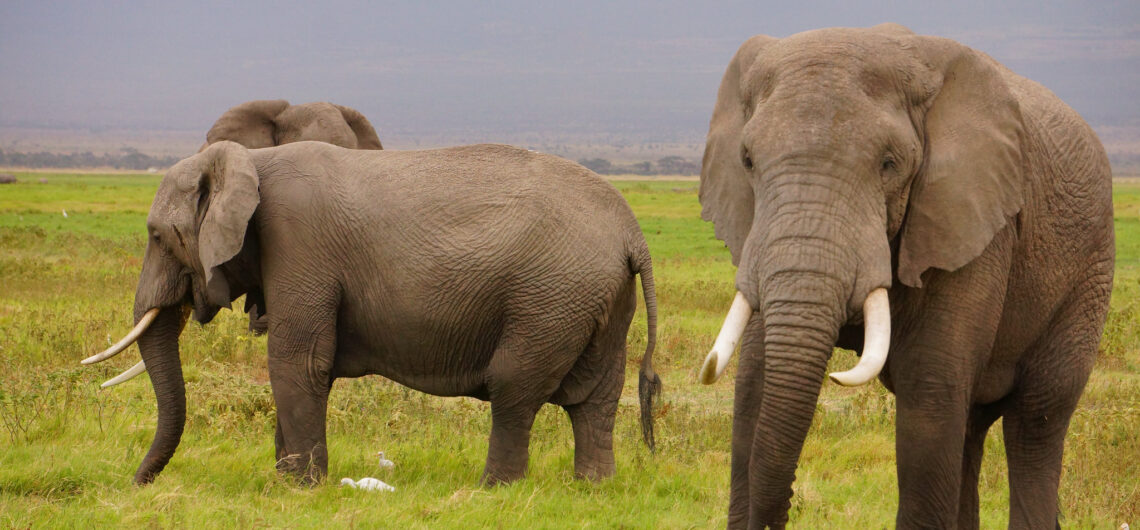
Elephants at close range: Amboseli is world-renowned for its large herds of free-roaming African elephants.
-
Kilimanjaro backdrop: Clear mornings often reveal snow-capped Mount Kilimanjaro towering over the savannah.
-
Varied ecosystems: From swamps and woodlands to savannah plains and Lake Amboseli, the park supports diverse wildlife.
-
Birdwatching paradise: Over 400 bird species, including raptors, flamingos, and waterbirds, thrive here.
-
Cultural immersion: Visitors can interact with the Maasai people and learn about their traditions.
Wildlife in Amboseli National Park
One of the biggest reasons travelers flock to Amboseli National Park is its incredible wildlife.
The Famous Elephants
Amboseli is sometimes called the “Land of Giants” due to its large elephant population. The park is home to over 1,500 elephants, many of which have been studied for decades by researchers. Visitors can observe these gentle giants up close as they graze on the plains or cool off in the swamps.
Other Mammals
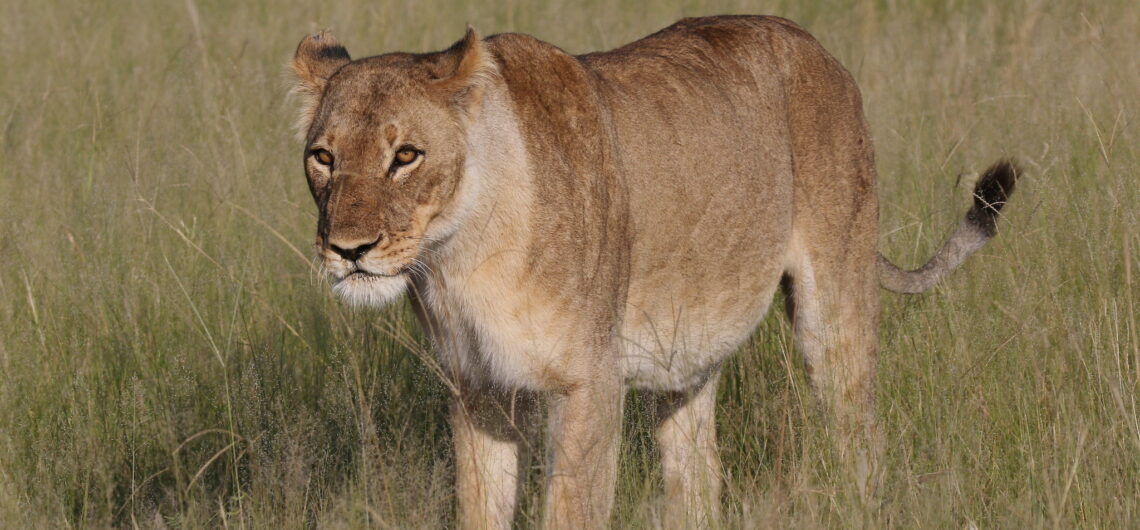
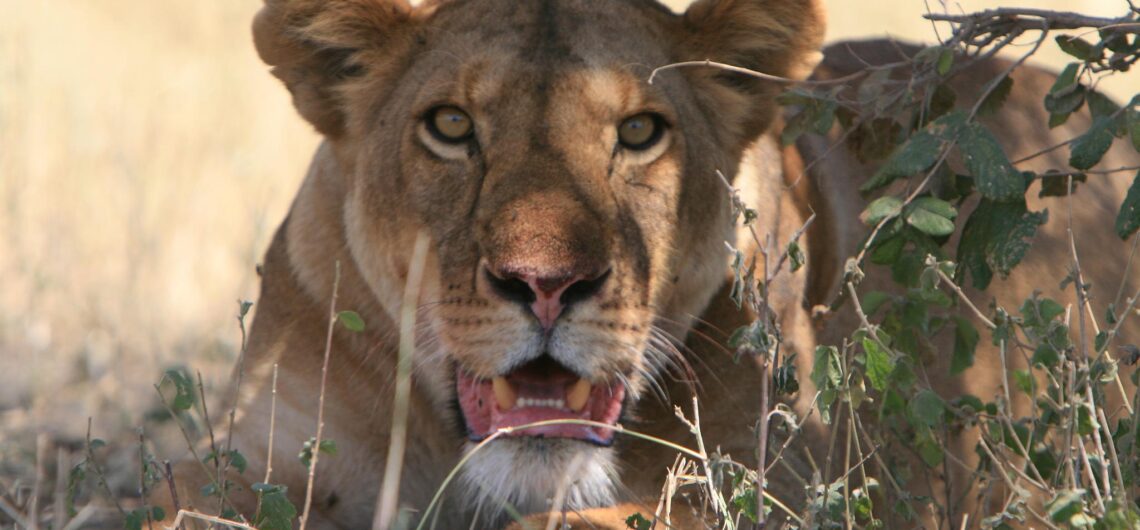
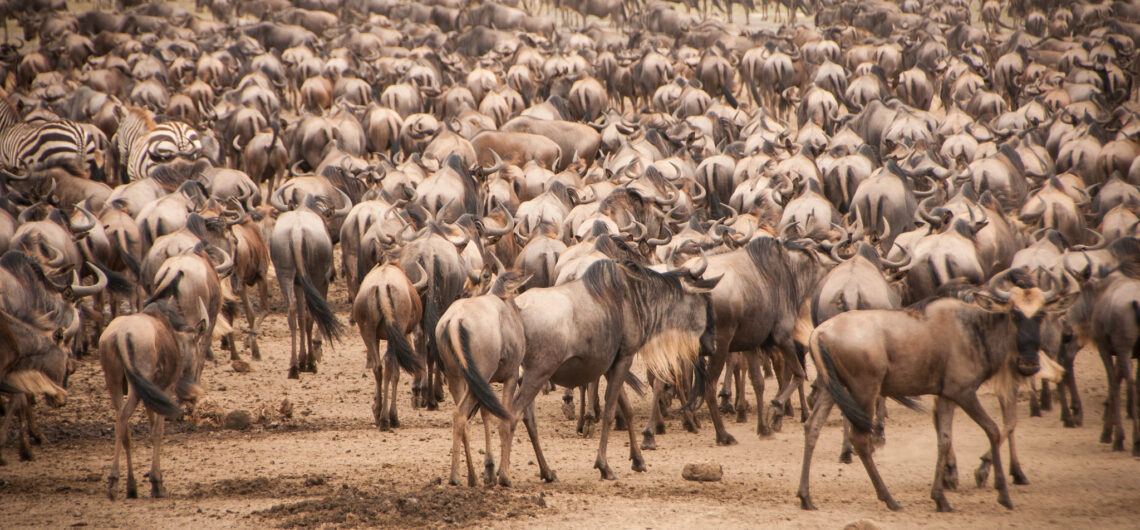
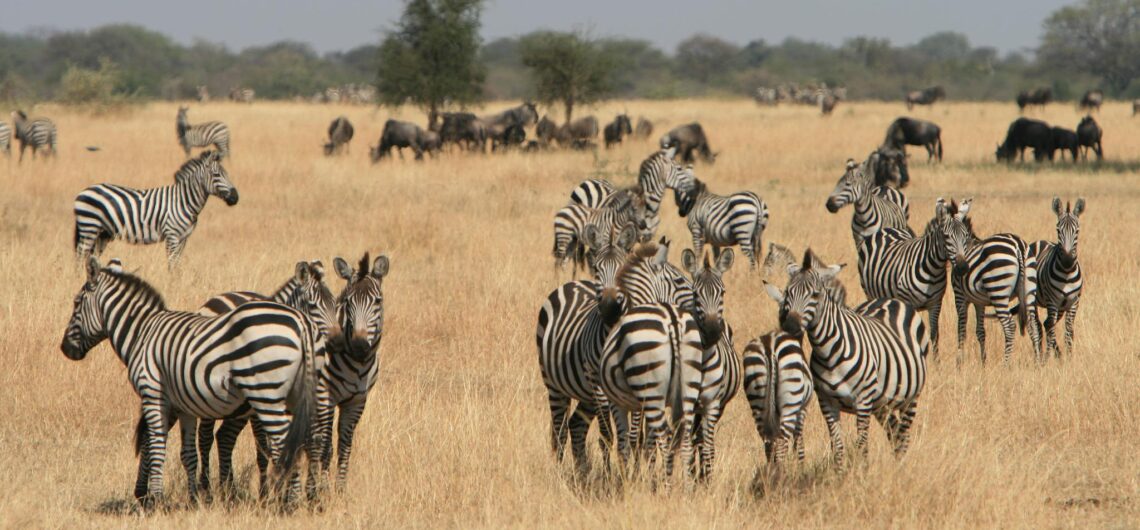
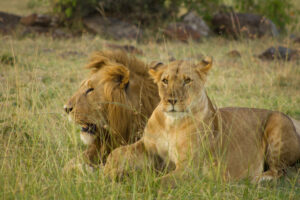
Beyond elephants, Amboseli hosts an array of wildlife, including:
-
Lions
-
Cheetahs
-
Leopards
-
Hyenas
-
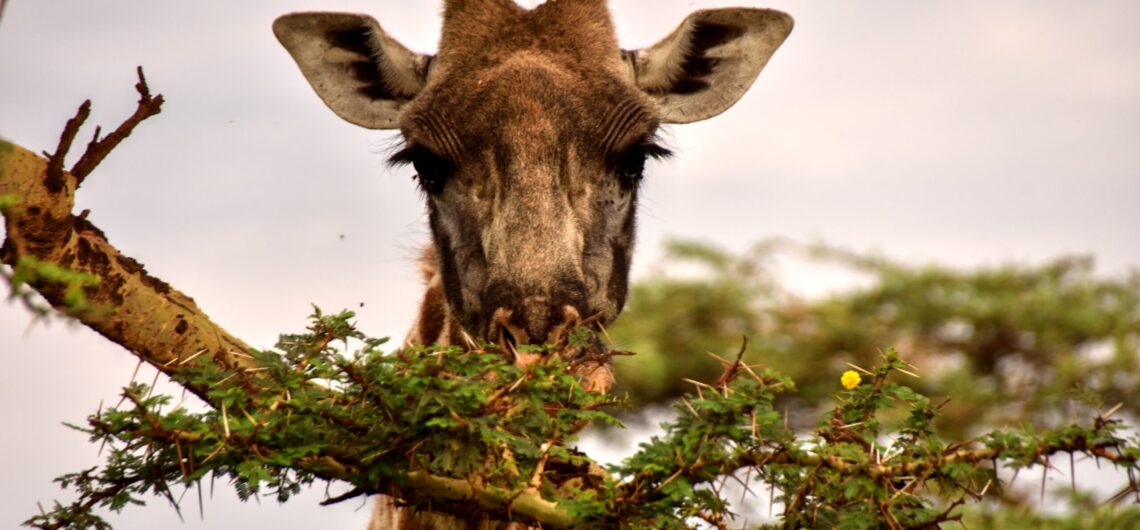
Giraffes
-
Zebras
-
Wildebeests
-
Hippos
The park’s mix of habitats ensures year-round sightings of both predators and herbivores.
Birdlife
Birdwatchers will be thrilled by Amboseli’s avian diversity. Species include:
-
African fish eagle
-
Grey crowned crane
-
Lesser flamingo
-
Pelicans
-
Secretary bird
The wetlands attract migratory birds, making Amboseli a seasonal hotspot for ornithologists.
The Scenic Landscapes of Amboseli
The landscapes of Amboseli National Park are just as captivating as its wildlife. The park offers striking contrasts:
-
Mount Kilimanjaro: Africa’s highest peak forms a dramatic backdrop. Even though Kilimanjaro lies across the border in Tanzania, the best views are from Amboseli.
-
Swamps: Fed by underground streams from Kilimanjaro’s melting glaciers, Amboseli’s swamps sustain wildlife during dry spells.
-
Savannah plains: Endless golden grasslands create a quintessential safari atmosphere.
-
Lake Amboseli: A seasonal lake that fills during heavy rains and attracts flocks of flamingos.
For photographers, Amboseli is paradise—few places in the world offer elephants silhouetted against Kilimanjaro’s snow-capped summit.
Safari Activities in Amboseli National Park
Visitors can engage in a range of safari activities when exploring Amboseli National Park.
Game Drives
Morning and evening game drives provide the best chance to spot wildlife. The park’s open plains allow for excellent visibility, making it ideal for photography and wildlife viewing.
Birdwatching Safaris
With its diverse habitats, Amboseli is perfect for birdwatchers. Guided birding safaris often reveal dozens of species in a single day.
Cultural Visits
Travelers can visit Maasai villages to experience traditional dance, crafts, and cultural stories. This offers a deeper connection to the land and its people.
Nature Walks (outside the park)
While walking safaris are not permitted inside the park, neighboring conservancies offer guided walks led by Maasai guides.
Photography Tours
Amboseli’s unique landscapes and iconic wildlife make it one of Africa’s top destinations for photography safaris.
Best Time to Visit Amboseli National Park
The best time to visit Amboseli National Park depends on your preferences.
-
Dry Season (June – October): Ideal for wildlife viewing as animals congregate around water sources. Roads are easier to navigate, and skies are clear for Kilimanjaro views.
-
Wet Season (November – May): The park transforms into lush greenery, and birdlife is abundant. However, some roads may be challenging to drive on.
For photographers aiming to capture Mount Kilimanjaro, early mornings during the dry season offer the clearest views.
How to Get to Amboseli National Park
Amboseli is located approximately 240 km southeast of Nairobi, making it accessible by both road and air.
By Road
The drive from Nairobi to Amboseli takes about 4–5 hours via Emali or Namanga routes. Road conditions vary, with some sections being rough, so a 4×4 vehicle is recommended.
By Air
Scheduled flights from Nairobi’s Wilson Airport and other airstrips connect directly to Amboseli. Flights take about 40 minutes and land at Amboseli’s airstrip near the park entrance.
Accommodation Options in Amboseli National Park
There are plenty of accommodation choices to suit every traveler’s budget near Amboseli National Park.
Luxury Lodges
Mid-Range Options
-
Kibo Safari Camp
-
AA Lodge Amboseli
-
Sentrim Amboseli Lodge
Budget Options
-
Campsites managed by Kenya Wildlife Service (KWS)
-
Small eco-lodges on the park’s periphery
Staying inside the park allows for early game drives and proximity to wildlife, while lodges outside the gates often provide cultural interactions with the Maasai.
Travel Tips for Visiting Amboseli National Park
To make the most of your safari experience, keep these tips in mind:
-
Pack light but smart: Include neutral clothing, binoculars, cameras, and sunscreen.
-
Carry cash: Some Maasai villages and local markets may not accept cards.
-
Stay hydrated: The climate can get hot, so carry enough drinking water.
-
Hire a guide: Experienced guides enhance the safari experience with insights on animal behavior and local culture.
-
Respect wildlife: Keep a safe distance and follow park regulations at all times.
Conservation and Community in Amboseli
Conservation efforts are at the heart of Amboseli National Park. The park faces challenges such as human-wildlife conflict, climate change, and poaching. However, organizations like the Amboseli Trust for Elephants and Kenya Wildlife Service work tirelessly to protect the ecosystem.
Additionally, the local Maasai communities play a vital role in conservation. Through community-based tourism initiatives, Maasai families benefit directly from protecting wildlife, ensuring Amboseli’s future as a sustainable safari destination.
Why Amboseli National Park Should Be on Your Safari Bucket List
Few places in the world combine stunning landscapes, cultural heritage, and exceptional wildlife viewing like Amboseli National Park. Whether it’s witnessing elephants beneath Kilimanjaro, exploring the swamps, or connecting with the Maasai, Amboseli delivers a safari experience that lingers long after you leave.
If you are planning a safari in Kenya, make sure Amboseli National Park is at the top of your itinerary—it truly is one of Africa’s most iconic destinations.